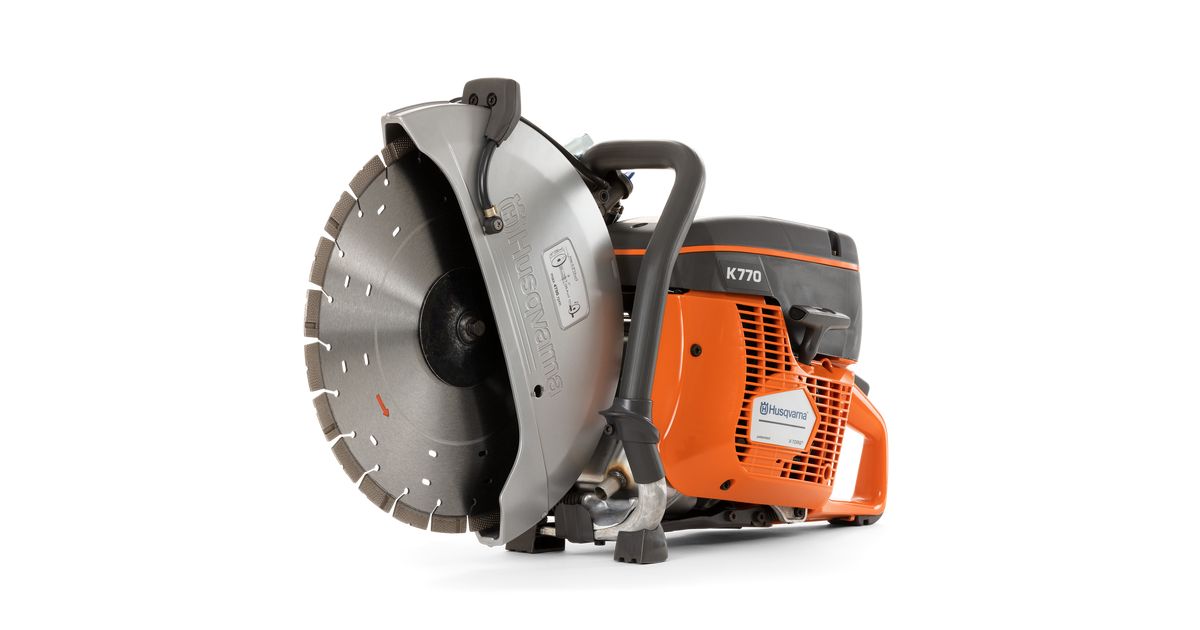
Why Diamond Blade Selection Matters
Using the wrong diamond blade on concrete is one of the most expensive mistakes a contractor can make. A mismatched blade won't just cut slowly — it can overheat, lose segments, damage your saw, and create safety hazards. Understanding the relationship between concrete hardness, aggregate type, and blade specifications is essential for efficient cutting.
Understanding Blade Bond Hardness
The metal bond that holds diamond segments together is arguably the most important factor in blade selection. A soft bond releases diamonds quickly, exposing fresh cutting surfaces — ideal for cutting hard materials like cured concrete with flint or quartz aggregate. A hard bond holds diamonds longer, which works best for softer materials like green concrete, asphalt, or brick.
Think of it as counterintuitive: hard material = soft bond, soft material = hard bond. This is because hard materials wear diamonds down quickly, and you need the bond to release spent diamonds and expose new ones. Soft materials don't wear diamonds as fast, so a harder bond prevents premature diamond loss.
Segment Types and Their Applications
Segmented blades feature individual segments with gullets between them. These gullets help cool the blade by allowing air and water to flow through the cut. They're the most common type for general concrete cutting and offer good cutting speed with decent blade life.
Turbo blades have a continuous rim with serrations that create a turbulent airflow pattern. They cut faster than segmented blades in many applications and provide a cleaner cut edge. Turbo blades are excellent for cured concrete, pavers, and natural stone.
Continuous rim blades provide the smoothest cut with minimal chipping. They're typically used for tile, porcelain, and applications where cut quality is more important than speed.
Matching Blades to Common Concrete Types
For standard 4,000 PSI residential concrete with limestone aggregate, a medium-bond segmented blade provides the best balance of speed and life. For high-strength 6,000+ PSI commercial concrete, step up to a soft-bond blade with higher diamond concentration.
When cutting reinforced concrete, choose a blade specifically designed for combo cutting. These blades use a diamond/metal matrix that can handle both concrete and rebar without losing cutting performance. The Husqvarna Elite-Cut series and Diamond Products Star Blue lines are excellent options for reinforced cutting.
Wet vs Dry Cutting Considerations
Wet cutting extends blade life by 3-5x compared to dry cutting while reducing dust. However, dry cutting offers convenience for quick cuts and environments where water management is difficult. If dry cutting, use blades specifically rated for dry operation — they have wider gullets and special segment geometry for heat dissipation.
Browse our complete selection of diamond blades from Husqvarna, Diamond Products, MK Diamond, and Core Cut at ConcreteProDirect.com. We offer technical specifications and comparison tools to help you find the perfect blade for your application.