Understanding Your Concrete Cutting Options
Whether you're cutting expansion joints in a parking garage, making precision cuts on a residential patio, or demolishing sections of highway, selecting the right concrete saw is critical to project success. The three primary power sources — gasoline, electric, and hydraulic — each offer distinct advantages depending on your application, environment, and budget.
Gas-Powered Concrete Saws
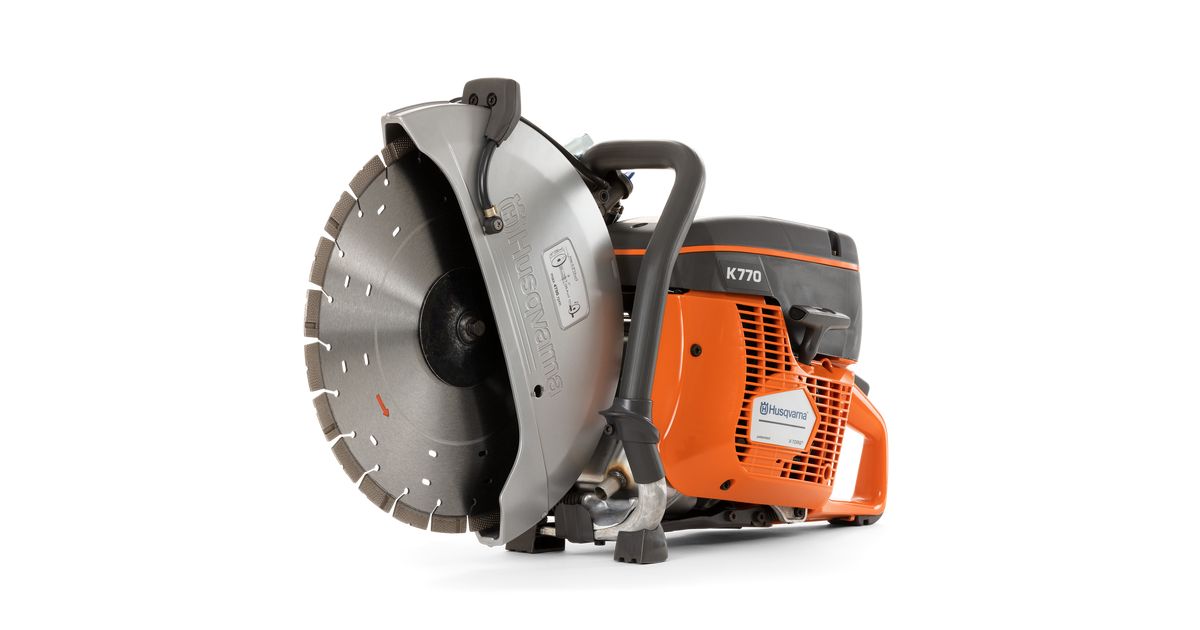
Gas-powered saws like the Husqvarna K770 and Stihl TS 500i remain the go-to choice for outdoor concrete cutting where portability matters. These saws deliver excellent power-to-weight ratios, typically ranging from 4 to 14 HP, and don't require an electrical supply at the jobsite.
The biggest advantage of gas saws is their versatility. You can move them anywhere on a jobsite without worrying about cord length or generator placement. Modern two-stroke engines have also become significantly more fuel-efficient and produce lower emissions than models from even five years ago.
However, gas saws come with some trade-offs. Indoor use is limited due to exhaust fumes, and they require regular maintenance including air filter cleaning, spark plug replacement, and fuel system servicing. Vibration levels also tend to be higher than electric alternatives.
Electric Concrete Saws
Electric saws have made tremendous strides in recent years. Modern electric walk-behind saws can match the cutting depth and speed of many gas models while producing zero direct emissions and significantly less noise. This makes them ideal for indoor work, enclosed spaces, and noise-sensitive jobsites near hospitals, schools, or residential areas.
The Core Cut CC1300 series and Husqvarna electric floor saws are excellent examples of professional-grade electric cutting. They require a 220V or 480V power supply, which means you'll need either a dedicated circuit or a properly sized generator. The trade-off is lower maintenance costs and consistent power output throughout the workday.
Hydraulic Concrete Saws
Hydraulic-powered saws represent the premium tier of concrete cutting equipment. Used primarily in heavy construction, bridge work, and demolition, hydraulic saws deliver unmatched power and can operate in wet environments, underwater, and in explosive atmospheres where gas and electric saws cannot safely function.
The Husqvarna prime series hydraulic wall saws and wire saws can cut through heavily reinforced concrete up to several feet thick. While the initial investment is significantly higher — often $15,000 to $50,000+ for a complete system — the cutting capacity and durability are unmatched.
Making Your Decision
Consider these factors when selecting your saw:
- Cutting depth required: Handheld saws typically max out at 5-6 inches; walk-behinds can reach 24+ inches
- Indoor vs outdoor: Indoor work demands electric or hydraulic
- Production volume: High-volume cutting jobs benefit from the consistent power of electric or hydraulic
- Budget: Gas saws offer the lowest entry point; electric provides the best long-term value for regular use
- Blade diameter: Match your saw to available blade sizes for your cutting depth
At ConcreteProDirect, we stock a full range of concrete saws from Husqvarna, Stihl, MK Diamond, and Core Cut. Our technical team can help you match the right saw to your specific application. Contact us for expert recommendations or to request a quote on any concrete cutting equipment.