Understanding the Silica Standard
OSHA's final rule on occupational exposure to respirable crystalline silica (29 CFR 1926.1153) establishes a permissible exposure limit (PEL) of 50 micrograms per cubic meter of air (μg/m³) averaged over an 8-hour shift. For concrete cutting operations, this standard has significant implications for how you equip your crews and manage your jobsites.
Crystalline silica is a natural component of concrete, and cutting, grinding, drilling, or demolishing concrete generates respirable silica dust that can cause silicosis, lung cancer, and other serious respiratory diseases. Compliance isn't just about avoiding OSHA citations — it's about protecting your most valuable assets: your people.
Table 1 Compliance Options
OSHA provides Table 1, which lists 18 common construction tasks and their corresponding required engineering controls and work practices. For concrete cutting with handheld saws, Table 1 requires either: (1) wet cutting with sufficient water to minimize visible dust, OR (2) dry cutting with a dust collection system that provides the minimum required airflow.
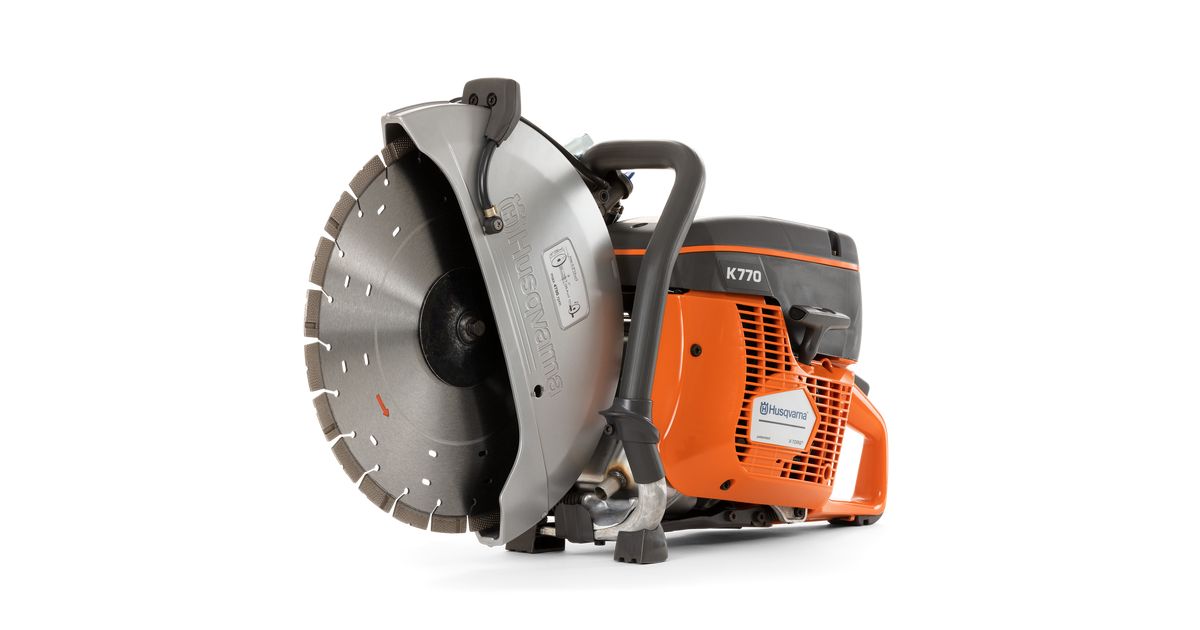
Most concrete contractors find wet cutting to be the simplest compliance path. A continuous water supply at the blade creates a slurry that captures silica particles before they become airborne. The Husqvarna and Stihl concrete saws all include water attachment points as standard equipment.
Engineering Controls for Common Operations
Handheld power saws: Wet cutting with continuous water flow. Ensure water reaches both sides of the blade and is flowing before the cut begins.
Walk-behind saws: Integrated water delivery systems are standard on all professional models. Verify flow rate meets manufacturer specifications before each shift.
Core drills: Wet drilling is standard practice and provides excellent silica control. Ensure the water collection system captures slurry adequately.
Grinders and scarifiers: Vacuum-based dust collection with HEPA filtration. Many newer models include integrated collection systems.
Respiratory Protection Requirements
When engineering controls alone cannot reduce exposure below the PEL, respiratory protection is required. For most outdoor concrete cutting with proper wet methods, engineering controls are sufficient. However, indoor operations, enclosed spaces, and dry cutting scenarios typically require N95 or P100 respirators at minimum.
Remember that respiratory protection is the last line of defense, not the first. OSHA expects you to implement engineering controls before relying on respirators.
Medical Surveillance and Training
The silica standard requires medical surveillance for workers exposed above the action level (25 μg/m³) for 30 or more days per year. This includes initial and periodic medical exams, chest X-rays, and pulmonary function tests. Most concrete cutting crews will trigger this requirement.
Training must cover health hazards of silica exposure, specific tasks that generate silica dust, engineering controls and work practices in use, the purpose and proper use of respiratory protection, and the medical surveillance program.
Building a Compliance Program
Document everything: your written exposure control plan, equipment maintenance records (especially water delivery systems and dust collectors), training records, medical surveillance records, and any exposure monitoring results. OSHA expects a systematic approach to silica management, not ad hoc measures.
ConcreteProDirect.com stocks OSHA-compliant dust collection systems, water delivery accessories, and all the equipment you need for safe concrete cutting operations. Our team can help you build a compliant equipment package for your specific operations.